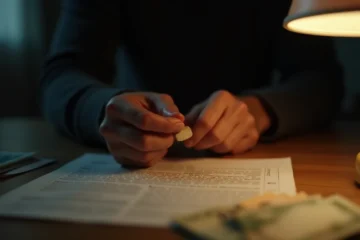
A pill passed across a kitchen table can do more damage than a hand-to-hand street deal. Nobody calls it what it is. A sleeping tablet from a partner’s cabinet, pain medicine from a cousin after an injury, a stimulant from a friend before exams—these often arrive wrapped in trust and legitimate packaging. That packaging is the trap. Pharmacy origin does not make unprescribed use safe.
Most people miss a simple argument. A tablet from a doctor’s script is only safe under the conditions that made it legal: the right person, dose, timing, medical history, and proper follow-up. Strip away those controls, and you still have a drug. Now you also have secrecy, guessing, and the kind of denial that keeps people out of treatment far too long.
Skip To Contents
Why shared pills feel harmless
Social sharing of prescription drugs usually starts in ordinary ways. Someone cannot sleep, so a friend offers a leftover tablet. Someone twists an ankle, so a relative hands over pain relief from a previous injury. A student faces exams, so a classmate offers a stimulant. None of that looks like the cliché of drug dealing. That is exactly why it slips past alarm bells.
People trust the source more than they trust the substance. A pill from a medicine cabinet or pharmacy packet feels cleaner than something bought on a corner or in a car park. The original prescription gives the drug a borrowed respectability it does not deserve. A clinician once prescribed it to somebody else. That tells you nothing about your own risk, your own medical history, or what else is already in your system.
Cost also plays a role. When a doctor’s visit is expensive, delayed, or out of reach, a borrowed pill can look like a practical shortcut. It is not. It is an unsupervised medical decision made by someone who does not have the full picture.
What makes a legal tablet unsafe
A prescription is not a universal safety certificate. It is a narrow instruction for one person, at one point in time, for a specific problem. That person may have had a different weight, age, allergies, liver or kidney function, and a different set of medicines already on board. When somebody else takes the same tablet, none of that careful matching exists.
This matters most with opioids, benzodiazepines, and stimulants. Painkillers such as oxycodone or hydrocodone can suppress breathing. Benzodiazepines such as alprazolam or diazepam can sedate hard enough to become dangerous on their own, and far worse when mixed with alcohol or other depressants. Sleeping tablets such as zolpidem are treated casually because they are common, but common does not mean benign. Stimulants such as amphetamine or methylphenidate can push heart rate, blood pressure, agitation, and paranoia in the wrong direction.
People also make the mistake of thinking one pill is too small to matter. That belief has sent plenty of people straight into dependence. A single tablet taken for relief can become a repeated habit once the brain learns that the drug can quickly change mood, sleep, pain, or focus. Once that pattern starts, withdrawal can arrive much sooner than people expect.
The hidden damage in mixing and masking
The biggest risk with shared medication is not only the pill itself. It is the combination. Someone who takes a borrowed sleeping tablet after drinking, or adds a benzodiazepine on top of another sedative, is gambling with respiratory depression. Someone who uses a pain tablet while already on other medicines may trigger interactions never considered by the original prescriber. Over-the-counter products, herbal supplements, alcohol, and illicit drugs all complicate the picture further.
There is also the quieter harm of masking. A stimulant used to push through exhaustion can hide ADHD, an anxiety disorder, a sleep problem, or plain burnout. A sedative used to quiet nerves can cover up panic, trauma, or depression without treating any of them. Pain pills can numb a symptom while the real injury, illness, or dependency underneath keeps growing. People feel briefly better, then assume the tablet solved the problem. It did not. It only delayed the correct diagnosis.
That delay can last years. Prescription misuse often avoids the attention that follows street-drug use, so families miss the pattern. By the time they notice missed work, strange mood swings, disappearing tablets, financial strain, or secrecy about refills, the habit has already hardened.
Why nobody thinks it counts as addiction
Prescription drug misuse hides behind a neat little lie. Because the substance came from a pharmacy, people tell themselves it is not “real” drug use. That attitude keeps the problem in the shadows longer than heroin or meth ever could. A person can be sliding into dependence while still sounding sensible to themselves and to everyone around them.
This is one of the uglier parts of the issue. Social circles normalise the behaviour first. A tablet is borrowed once, then again, then traded back and forth without much thought. Nobody looks like a dealer because nobody is behaving like the stereotype. The person handing over pills may see themselves as generous, practical, or helpful. The person taking them may see themselves as stressed, in pain, or simply short on options. The label changes, but the risk does not.
The result is often delayed treatment. People do not ask for help because they do not think their problem qualifies. Families do not push for rehab because they are waiting for something more dramatic. Meanwhile, the average period from first misuse to treatment can stretch for years. That is not because the harm is subtle. It is because the drugs look respectable.
When sharing turns into a treatment issue
There is a line between one-off borrowing and a pattern that needs proper intervention. Once the person starts chasing pills, the issue has moved. The warning signs are usually plain if anyone is willing to look without excuses.
Watch for these changes:
- taking the medication more often than planned
- needing more to get the same effect
- asking several people for pills
- running out early or lying about where tablets went
- missing work, school, or family obligations
- sweating, shaking, insomnia, nausea, or anxiety when the drug is unavailable
- promising to stop and then failing repeatedly
- continuing despite relationship, money, health, or legal problems
Withdrawal matters here. Benzodiazepine and opioid withdrawal can be severe, and in some cases dangerous enough to need medical supervision. This is not a discipline problem or a matter of willpower. It is a physiological process that can turn ugly fast, especially if the person tries to stop suddenly after regular use.
If the person is buying, borrowing, swapping, or scrounging across several social circles, the pattern is already bigger than a “few pills”. That is the point where an assessment makes more sense than another family argument.
Why rehab is still the right conversation
Many families wait too long because they picture rehab as a place for people who use illegal street drugs. That picture is outdated and useless. Prescription drug misuse can be every bit as serious, and in some cases more difficult to spot because the person looks functional for longer. They may hold down a job, pass classes, or keep the house running while quietly building a dependence that nobody names.
Treatment starts with a proper assessment, not a moral lecture. The questions are practical. What drug is being used, how often, for how long, and in what combinations? Is there alcohol use as well? Is there depression, anxiety, trauma, or insomnia underneath the behaviour? Has the person tried to stop and failed? Are there signs that withdrawal could be dangerous? The answers decide level of care.
Some people need outpatient support and structured counselling. Others need a residential programme, especially if they are using benzodiazepines, opioids, or multiple substances, or if the home environment keeps feeding the problem. If the person has been hiding the use, denying the harm, or cycling through failed attempts to cut down, a higher level of care is usually a better bet than another promise to do better.
What families should ask before choosing care
The wrong placement wastes time. The right one gives the person a chance to stabilise without improvising their way through withdrawal or pretending a serious dependency can be managed by goodwill.
Ask these questions:
- Does the programme treat prescription drug dependence directly?
- Is medical detox available or arranged when needed?
- How are benzodiazepine or opioid withdrawals managed?
- Is there support for anxiety, trauma, depression, or ADHD if those are part of the picture?
- What does follow-up look like after the initial stay?
- How are relapse risks handled once the person leaves?
- What does insurance cover, and what will be out of pocket?
- How long is the waiting list?
Those questions matter because mismatched placement is common. Someone with escalating sedative use does not need a generic wellness plan. Someone mixing pain pills with alcohol does not need vague counselling and a pamphlet. Someone using stimulants to stay functional may need help with assessment, not just abstinence talk. Rehab works best when the programme fits the drug, the behaviour, and the underlying problem.
What to say when the pills came from someone trusted
Families often get stuck on the same objection: “It was only from his sister” or “She got it from her boyfriend” or “It came from a proper pharmacy packet.” None of that changes the outcome. A shared pill can still damage the body, distort judgement, and create dependence. The trusted source only makes it harder to see the danger.
The conversation needs to stay on consequences, not labels. If pills are disappearing, if the person is defensive, if sleep, mood, work, or relationships are sliding, or if they cannot stop once they start, the source of the medication is beside the point. The problem is already acting like an addiction. Waiting for it to look more dramatic is how families lose years.
If someone close to you is sharing, borrowing, or relying on prescription pills outside medical oversight, treat it as a treatment issue now. The familiar face, the clean packet, and the pharmacy label do not make it safe. They only make it easier to ignore until the damage is too obvious to deny.