The bravest version of recovery is rarely the one people brag about. It is not the dramatic story of locking yourself away, sweating through the night, and calling that discipline. More often, it is the unglamorous decision to stop pretending your body and mind will sort themselves out if you just suffer hard enough.
That romantic cold turkey story still does damage because it flatters pride. It makes pain look noble and asks the wrong question: can you endure it? The better question is whether you should ever have to.
Skip To Contents
The myth in plain clothes
People talk about “going cold turkey” as if it is a test of character. The image is familiar: someone quits alone, powers through the shaking, and comes out the other side cleaner, stronger, proven. It sounds tidy. It also leaves out the part where the body can turn on itself.
The phrase itself has murky origins. Some people link it to the way withdrawal can leave skin pale, clammy, and covered in goosebumps, which gives the body a stripped, almost featherless look. Others trace it to the plainness of being served cold turkey, with nothing else added, nothing softened, nothing dressed up. Either way, the phrase now means stopping a substance abruptly and taking the full impact without help.
We Do Recover has spent enough time around addiction to know how often this story gets repeated by people who have already tried it once, or three times, or ten. The common line is not usually defiance. It is regret: they thought they could handle it. That is not weakness talking. It is what people say after reality has finished correcting them.
For a broader look at the different types of addiction that can drag a person into this cycle, the important point is simple: not all substances behave the same, but none of them care about a heroic narrative.
Withdrawal is not a mood
Once the body has adjusted to alcohol, opioids, benzodiazepines, or even certain prescription medicines, it begins to rely on them to hold a kind of chemical balance. Remove the substance suddenly and that balance falls apart. The nervous system does not respond with gratitude for your resolve. It responds with panic.
That is why withdrawal can bring sweating, trembling, vomiting, sleeplessness, and paranoia. In more serious cases, it can escalate to seizures, hallucinations, heart failure, or delirium tremens, the severe and potentially fatal form of alcohol withdrawal. The body is not “throwing a tantrum”. It is trying to restore equilibrium after being yanked off something it had come to depend on.
This is where the moral language needs to stop. Withdrawal is biology, not morality. The nervous system answers to chemistry, not to motivation slogans or self-discipline quotes posted at 2am. A person can be determined and still be physically overwhelmed. Those are not contradictions. That is the point.
Alcohol and benzodiazepines are especially dangerous to stop suddenly. In those cases, cold turkey is not just uncomfortable or difficult. It can be deadly. Opioid withdrawal is less likely to kill, but that does not make it safe. The suffering can be so intense that people become reckless, despairing, or suicidal. Some end up in emergency rooms after deciding they would rather “get it over with” than ask for medical help.
That is not a badge of honour. It is avoidable harm.
Why people still try it
If the risks are so obvious, why do people keep trying? Pride is part of it. Shame is another. Fear is there too, especially the fear of being seen needing help. For many people, especially those who have built their identity around control, asking for support feels like surrender.
That cycle becomes familiar: use, decide to stop, white-knuckle a few days, collapse, feel embarrassed, start again, swear this time will be different. The pattern can last years. It can also convince a person that failure is some kind of personal flaw, when in fact it is usually just an untreated problem being handled in the most punishing way possible.
Men often get trapped harder by this. They are still trained, directly and indirectly, to tough things out, keep quiet, and avoid anything that looks like vulnerability. Therapy, rehab, even a frank conversation can feel like a breach of the script. But addiction does not care about the script. It does not care whether your social circle applauds stoicism. It does the same damage either way.
Social media has made this worse in a different way. It rewards people for looking composed. It is easy to post about resilience when the camera is off and the craving has not started yet. A quote about self-discipline does not do much when the brain is screaming for relief and the body is already in withdrawal shock.
Bravery is not pretending you can take all of it alone. Bravery is admitting you cannot.
The real gamble
Trying to quit cold turkey is a bit like jumping from a moving car to prove you are not afraid of the road. You might survive. You might also get badly hurt. The size of the risk is the problem. People confuse survival with success and mistake injury for evidence of effort.
This is why the idea has such a cruel edge. It sounds disciplined, but it often comes from the same place as denial. If I can beat this by myself, then maybe I am not really out of control. Maybe I do not need a clinic. Maybe I can fix it quietly and spare everyone the embarrassment.
That logic fails because chemical dependence is not solved by ego. The body adapts. The brain adapts. Then both of them protest when the substance disappears. That is not a weakness in the person. It is the mechanism of addiction.
The notion that pain equals progress is one of the nastier lies in recovery culture. Pain may happen. Pain may even be unavoidable in parts of recovery. But pain on its own is not a plan. And it is not proof that the method is sound.
Why medically supervised detox changes the outcome
Medical detox is not the opposite of courage. It is what courage looks like when it stops performing for an audience and starts protecting a life.
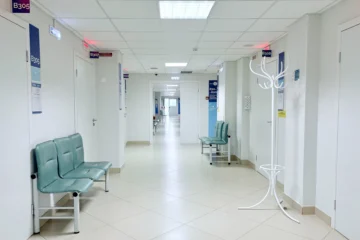
In a proper detox setting, doctors, nurses, and addiction specialists monitor what is happening and respond before a problem turns into an emergency. Medication can reduce the intensity of withdrawal and lower the risk of serious complications. The person is also given rest, food, fluids, and time, which are exactly the things cold turkey tends to strip away.
That safety matters because detox is not the whole job. It is the first gate. If someone gets through withdrawal without a seizure, collapse, or relapse, they still have not dealt with the reasons they were using in the first place.
This is where rehab starts doing the heavier work. Detox clears the body. Rehab helps deal with the mind that has been organised around the substance. Trauma, loneliness, pressure, shame, bad habits, family conflict, anxiety, boredom, grief, and the expectation to always cope alone all sit under the surface. A person does not just need to stop using. They need to learn how to live without the old chemical answer.
That work goes badly in isolation. It goes better in structure.
Why rehab works where cold turkey does not
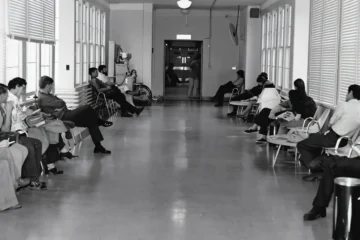
The biggest thing cold turkey takes away is connection. It leaves a person alone with fear, cravings, and whatever the substance was covering up. Rehab does the opposite. It puts people in contact with other people who know the same terrain.
That matters more than a lot of people want to admit. Being around others with similar problems can cut through the private shame that keeps addiction alive. It reminds someone that they are not uniquely broken. They are a human being caught in a pattern that can be treated.
Connection is not soft. It is practical. It keeps people honest. It makes relapse harder to hide and easier to interrupt. It gives structure to days that used to dissolve into use, regret, and repetition. It gives language to feelings that had been handled by substances for too long.
That is why the old saying sticks: you can’t white-knuckle your way to peace. You can hold on for a while. Plenty of people do. But grip alone is not recovery. It is survival under strain. Eventually the strain wins unless something changes underneath it.
Stigma keeps the door shut
In South Africa, as in many other places, addiction is still too often treated like a moral failure. That keeps people silent. It also keeps families stuck in denial, hoping the person will sort themselves out if they are shamed enough or left alone long enough.
That approach does not work because shame rarely produces honesty. It produces hiding.
People avoid treatment because they think needing help means they have lost. But the reality is harsher than that. If someone keeps trying to do an unsafe thing in private, and keeps failing, the cost is not dignity. It is health, money, relationships, and sometimes life itself.
The first honest sentence in recovery is often the one people resist most: “I can’t do this alone.” That is not a collapse of will. It is the point where recovery starts to become possible.
If you want a plain explanation of where the phrase came from, We Do Recover has a clear breakdown in Source wedorecover.com. The history matters less than the habit it has built around itself: people hear “cold turkey” and think bravery. What it often means in practice is unnecessary risk.
Strength looks different in a clinic
The image people cling to is the lone fighter. The person sweating in a room, refusing help, winning by force. It is a useful story for films. It is a poor model for addiction.
Real strength looks less dramatic. It looks like calling a clinic while your voice is shaking. It looks like saying you need help before the situation gets worse. It looks like letting professionals manage a withdrawal that could otherwise send your body into chaos. It looks like choosing treatment before the crisis decides for you.
That choice is not sentimental. It is not about feeling inspired. It is about survival. And survival is a better starting point than pride.
Families know this too. They have watched the same pattern repeat until it wears everyone down. That is why words like these matter, even when they are simple: “Thank you for helping my sister rebuild her confidence and her life.” “Your guidance has been a lifeline for our family.” “The support provided by your staff was instrumental in my mother’s recovery.”
Those are not polished lines. They are the sort of thing people say after the noise has settled and the damage has started to reverse.
The question people avoid
Cold turkey is sold as a show of force. In reality, it is often a bet made by someone exhausted, ashamed, and desperate to prove something.
Before anyone tries it, the better question is not whether they are strong enough. It is what exactly they are trying to prove. Because if the real goal is to save a life, then the smartest move is not to gamble on suffering. It is to get help, get safe, and start properly.
So the challenge is simple: are you trying to demonstrate toughness, or are you trying to survive?