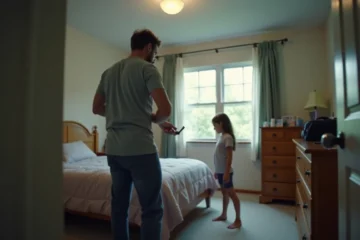
Getting someone into rehab is not the hard part. The challenge is watching them return home to the same people, arguments, money stress, and the same dealer still in their phone. A month in treatment can interrupt the damage, but it cannot, by itself, rebuild the life that fueled it.
Families feel blindsided when relapse happens. They paid for a program, waited, hoped for a changed person, and received someone who looked improved but unprotected. Recovery does not fail because treatment was useless. It fails when the person is dropped back into the same pressure cooker, and everyone acts surprised when the lid blows off.
Skip To Contents
Why rehab is not a reset button
Rehab is a controlled setting; home usually is not. Inside treatment, there are rules, staff, group sessions, limited access to substances, and a full schedule. Outside, there may be old friends, no job, a fractured relationship, and a fridge full of resentment. These are not minor differences; they are the whole game.
Families often assume discharge means the person has been fixed. This assumption is the problem. Substance use disorder behaves like a chronic condition, not a broken bone. Relapse is common, especially in the first year after treatment. NIDA places relapse rates in the 40% to 60% range. This is not a moral verdict; it is a warning that recovery needs maintenance, not applause.
Disappointment after a relapse can poison the family response. The person who slips starts calling themselves hopeless. The family starts calling the program a waste of money. Both reactions miss the point. A 30-day stay, even a good one, is only one part of a much longer process.
What usually undoes progress after discharge
The first few months after discharge are dangerous. Treatment gains meet ordinary life, and ordinary life is often messy enough to reopen old patterns fast.
Old social circles are one of the clearest risks. If the person walks back into the same group that used, supplied, or covered for them, the environment is already speaking louder than the counselor ever did. Familiar people can trigger old routines within hours.
Stress does the rest. Bills, custody disputes, job hunting, transport problems, and family tension all create pressure. If the person left treatment with no new coping tools, or if those tools were never practiced in real life, they will reach for the fastest relief they know.
Unemployment makes things worse. A person with too much time, too little structure, and no income is not in a neutral space. They are sitting in boredom, shame, and fear. Underemployment can be nearly as corrosive, keeping the future small and the relapse risk large.
Family conflict is another common trigger. Home can turn into a place of surveillance, accusation, and old scripts. One argument does not cause a relapse. A pattern of blame, secrecy, and enabling can.
Easy access matters too. If substances are still in the house, if old contacts are still a text away, or if the person is living around active use, treatment is fighting uphill before it starts.
What families get wrong about relapse
The most damaging mistake is treating relapse as proof that the person never wanted it badly enough. That line is emotionally satisfying and clinically lazy. It lets everyone avoid the harder truth: recovery is fragile when the surroundings stay toxic.
Another mistake is spending heavily on admission and nothing on the months that follow. A 30-day inpatient program can cost between $15,000 and $30,000, depending on the setting. Families will argue over insurance, compare facilities, and stretch finances to make admission happen. Then they go quiet when it comes to aftercare, housing, therapy, transport, or time off work. That is backwards.
Some relatives also confuse compliance with change. A person can complete the program, attend meetings, nod in family sessions, and still go straight back to the same habits if nobody has altered the conditions that made using feel easier than staying sober.
Relapse does not mean the person never cared. It usually means the system around them was weaker than the addiction they were trying to outrun.
What has to change at home
If the home stays the same, the person often comes back to the same identity. Families do not need to become therapists, but they do need to stop pretending the house is neutral.
Start with access. Remove alcohol, illicit drugs, and prescription medicine not meant for the recovering person. Empty the hiding spots. Check the places nobody likes to mention. If another household member keeps drinking or using, say plainly that the returning person will be living next to a trigger, not a fresh start.
Then set boundaries that can actually be enforced. Curfews, responsibilities, house rules, and consequences need to be explicit. Vague threats are theatre; clear limits are structure. If the agreement is that the person attends outpatient care or support meetings, say so. If money is being given, say what it is for and what it is not for.
Family therapy matters because addiction almost never stays neatly inside one person. CRAFT (Community Reinforcement and Family Training) and systemic family therapy can help families change how they respond to chaos, pressure, and manipulation. That may sound abstract until you have watched the same argument repeat for two years. Then it looks like survival.
Open communication also has to be rebuilt. Secrecy feeds relapse. Silence keeps everyone performing. Families need room to talk about fear, anger, and trust without turning every conversation into a verdict.
Why aftercare is the difference between hope and luck
Discharge should lead somewhere. If there is no plan, the person is being asked to self-manage a high-risk period with very little support.
Intensive outpatient care or partial hospitalization can provide structure while the person lives outside the facility. This step-down matters because the transition from inpatient care to ordinary life is where many recoveries wobble. A blank calendar is not a recovery plan.
Individual therapy and group therapy should continue after rehab, especially if there is trauma, depression, anxiety, or another condition running alongside the substance use. SAMHSA estimates that about half of people with substance use disorders also live with a mental illness. Treating only the drug use while ignoring the underlying condition leaves the door open for the same behavior to return under a different name.
Medication-assisted treatment can be life-saving for opioid use disorder and useful for alcohol use disorder. In the right case, it lowers overdose risk and improves retention in treatment. It is not a side note; it is part of what makes stability possible.
Support groups also matter. AA and NA help some people. SMART Recovery helps others. The point is not the brand of the room. The point is that recovery needs witnesses, routine, and accountability that do not vanish when the family has a bad week.
Why housing and work are not side issues
Stable housing is not a luxury add-on. It is a recovery tool.
Over 80% of people in recovery identify stable housing as critical to staying sober. That should end the argument. A person cannot focus on recovery while sleeping in a place that feels unsafe, unstable, or saturated with substance use. If housing is chaotic, every other intervention has to work harder.
Sober living can bridge the gap. It offers drug-free structure, house rules, and peer accountability while the person rebuilds daily habits. A sober living environment has been linked with lower alcohol and drug use, and better employment outcomes than standard aftercare alone. That is not a soft benefit. It is the practical difference between drift and routine.
Employment matters for the same reason. Work gives the day shape. It creates a reason to get up, a reason to stay sober through a shift, and some proof that life is moving. Unemployment, by contrast, breeds shame and boredom, which are both fertile ground for relapse.
Families often spend all their energy trying to keep the person sober in a house that offers no structure, no purpose, and no future. That arrangement cannot hold forever.
How families can support recovery without rescuing it
Support and enabling are not the same thing, though families mix them up constantly. Support helps the person stay accountable. Enabling keeps the peace for a day and worsens the disorder for a year.
A better approach looks like this:
- Keep substances out of the home.
- Make the recovery plan visible, not private.
- Push for follow-up care before discharge.
- Use family therapy, not just emotional bargaining.
- Set rules about money, transport, and behavior.
- Encourage sober peers, not old contacts.
- Protect the household from being pulled back into chaos.
Family members also need their own support. Al-Anon and Nar-Anon are not decoration. People who live with addiction get worn down, confused, and trained to normalize things they should never accept. Those groups help families separate care from control and panic from planning.
If the person is resistant to treatment, that does not end the family’s responsibility. It changes the strategy. Sometimes the first workable move is not another argument but a better referral, a firmer boundary, or a different level of care.
What to ask before discharge
Good discharge planning is specific. If the answers are vague, the plan is weak.
Ask who will manage follow-up appointments. Ask whether the person needs outpatient treatment, therapy, or medication. Ask what happens if cravings spike in the first week home. Ask where the person will live, how they will get to meetings, and what the plan is if the home environment is not safe.
Ask whether dual diagnosis has been properly assessed. Ask whether trauma was addressed or merely mentioned. Ask whether the family is expected to change anything. If the answer is no, the system is already guessing.
The best rehab in the world cannot protect someone from a house that still runs on the same pain, the same access, and the same secrecy. Recovery gets easier when the environment stops fighting it. Families do not have to fix everything, but they do have to stop pretending rehab alone did the job.